
Global Trusted Battery Management ICs (BMICs) Supplier
Precision Power Management
High-Reliability Battery Management Integrated Circuits


What Are Battery Management ICs?
Battery Management Integrated Circuits (BMICs) are specialized semiconductor devices designed to monitor, control, and protect rechargeable battery systems—ensuring safe operation, optimal performance, and maximum lifespan across charging, discharging, and storage conditions. These intelligent power management solutions are critical in applications ranging from smartphones and laptops to electric vehicles and grid-scale energy storage, where battery safety, longevity, and efficiency directly impact product reliability and user safety.
Core Functions
- Cell Monitoring & Protection: Continuously measuring individual cell voltages, temperatures, and currents to detect and prevent overcharge (>4.2V for Li-ion), over-discharge (<2.5V), overcurrent, short circuits, and thermal runaway conditions that could lead to battery damage or fire hazards.
- State Estimation: Accurately calculating State of Charge (SoC), State of Health (SoH), State of Power (SoP), and remaining runtime using advanced algorithms (coulomb counting, impedance tracking, voltage-based estimation) to provide users with reliable battery status and prevent unexpected shutdowns.
- Charge Control & Balancing: Managing multi-stage charging protocols (CC-CV for Li-ion, trickle/fast charge modes), implementing cell balancing (passive or active) to equalize charge across series-connected cells, and optimizing charge termination to maximize cycle life while minimizing charge time.
- Communication & Diagnostics: Interfacing with host systems via I2C, SPI, SMBus, or CAN to report battery metrics, authenticate genuine battery packs (SHA-256 encryption), log fault events, and enable firmware updates for evolving battery chemistries and safety standards.
Technical Principles
Modern battery management systems integrate multiple subsystems on a single chip or multi-chip module: high-precision ADCs (12–16 bit) measure cell voltages with ±5mV accuracy; integrated current sensors (shunt resistor + amplifier) track charge/discharge currents with ±1% precision; temperature sensors (NTC thermistors or on-die sensors) monitor thermal conditions at ±2°C accuracy. A microcontroller or state machine executes protection algorithms, implementing hardware cutoffs via external MOSFETs when fault conditions are detected (typ. <1µs response time for short-circuit events).
Fuel gauge ICs employ sophisticated algorithms to estimate SoC: coulomb counting integrates current over time to track charge in/out, compensating for self-discharge, temperature effects, and aging; impedance-based methods measure battery internal resistance to infer SoC under load; voltage-based estimation uses open-circuit voltage (OCV) lookup tables calibrated for specific chemistries. Advanced fuel gauges combine multiple methods with Kalman filtering or machine learning for <3% SoC error across the full 0–100% range, even after hundreds of charge cycles.
Battery Management Integrated Circuits
Unit Electronics is a trusted provider of high-quality Battery Management Integrated Circuits (BMICs) for global customers. We offer a comprehensive product lineup covering battery authentication ICs, battery fuel gauges, battery protectors, battery charger ICs, and battery monitors & balancers. Our BMICs are engineered with reliability and precision, delivering stable performance to safeguard battery safety, optimize power usage, and extend battery lifespan. Crafted with advanced technology and strict quality control, our products cater to diverse applications from consumer electronics to industrial devices. Whether you need accurate power monitoring or robust protection, our Battery Management Integrated Circuits provide tailored, long-lasting solutions.
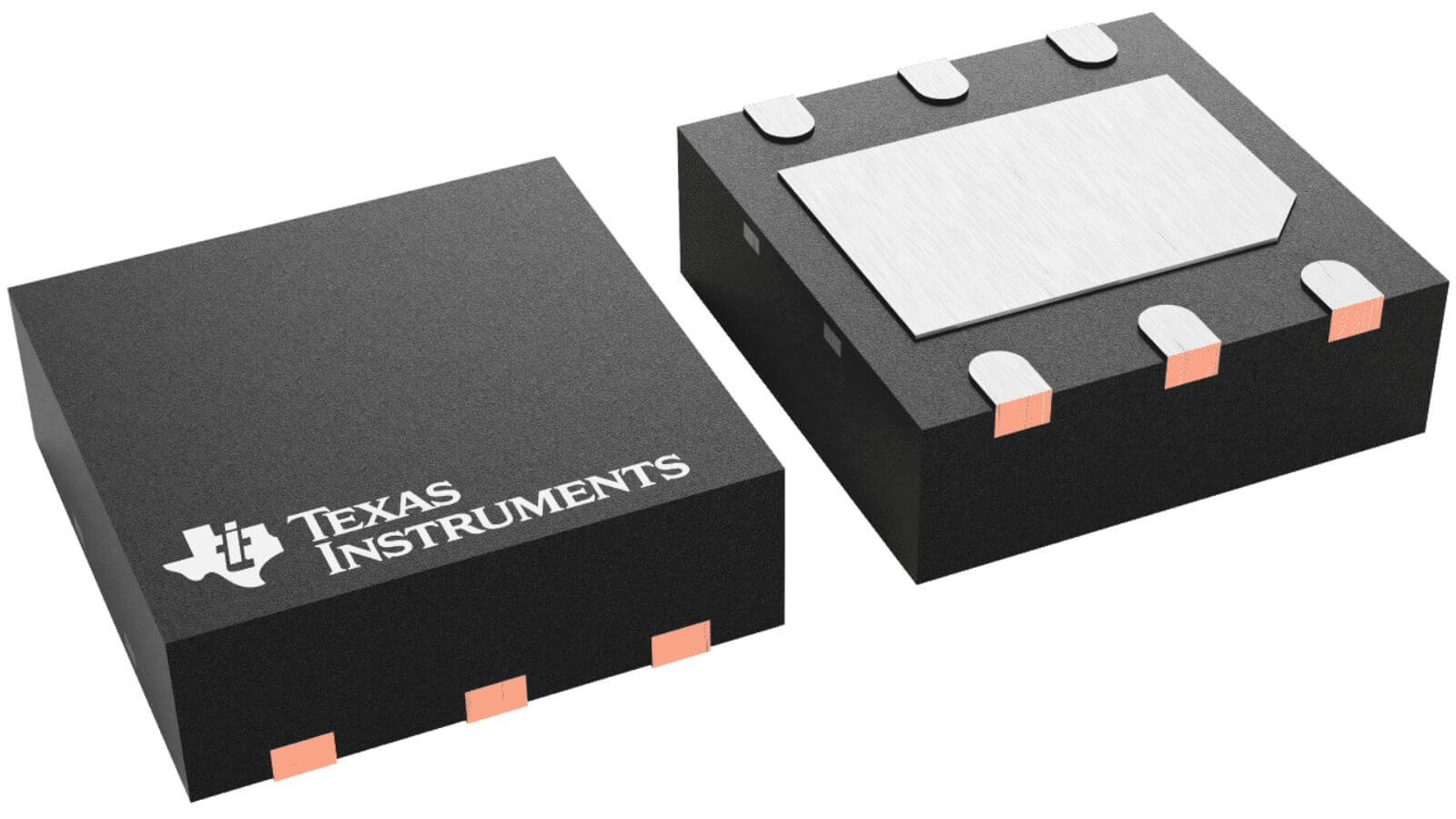
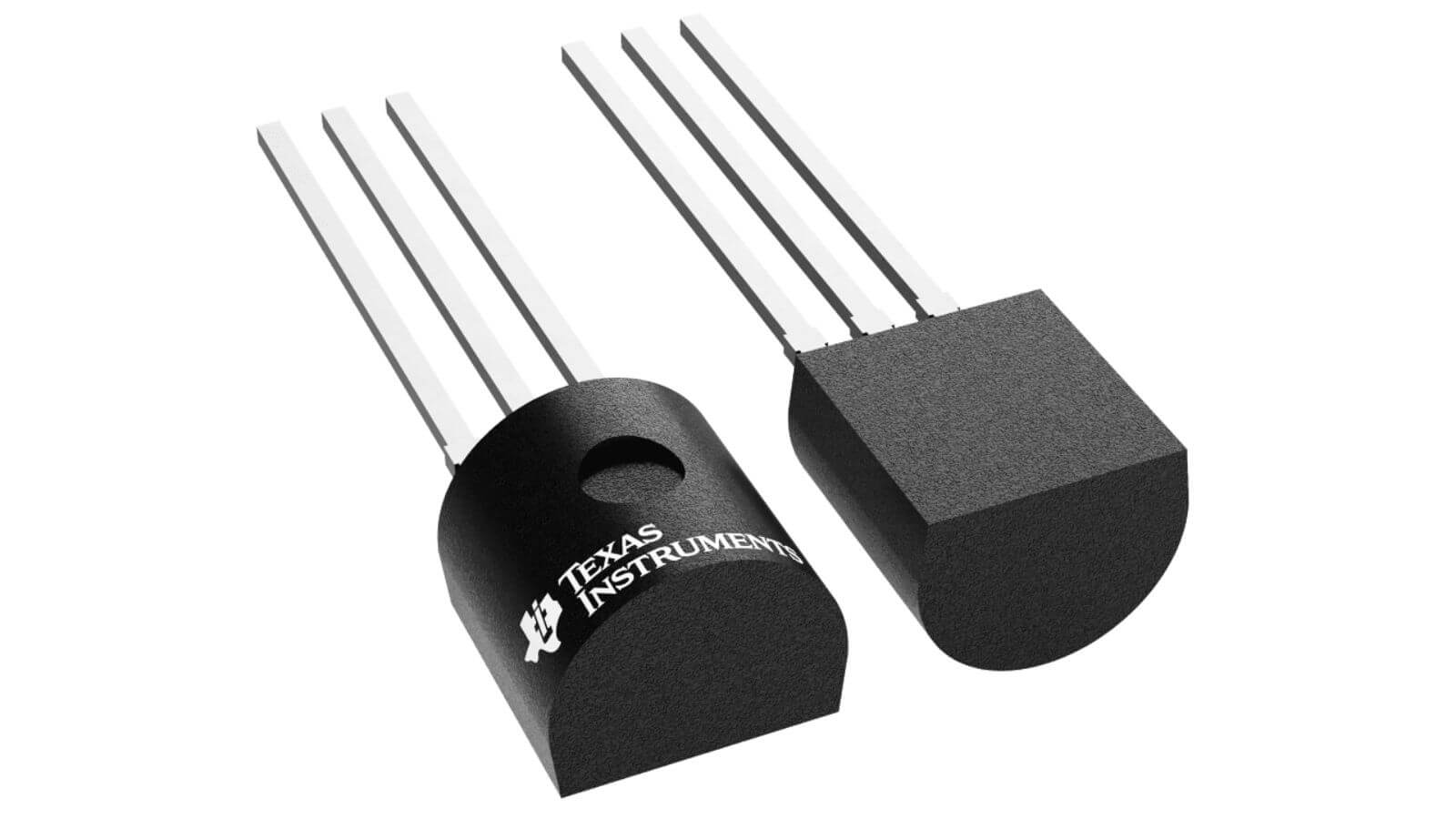
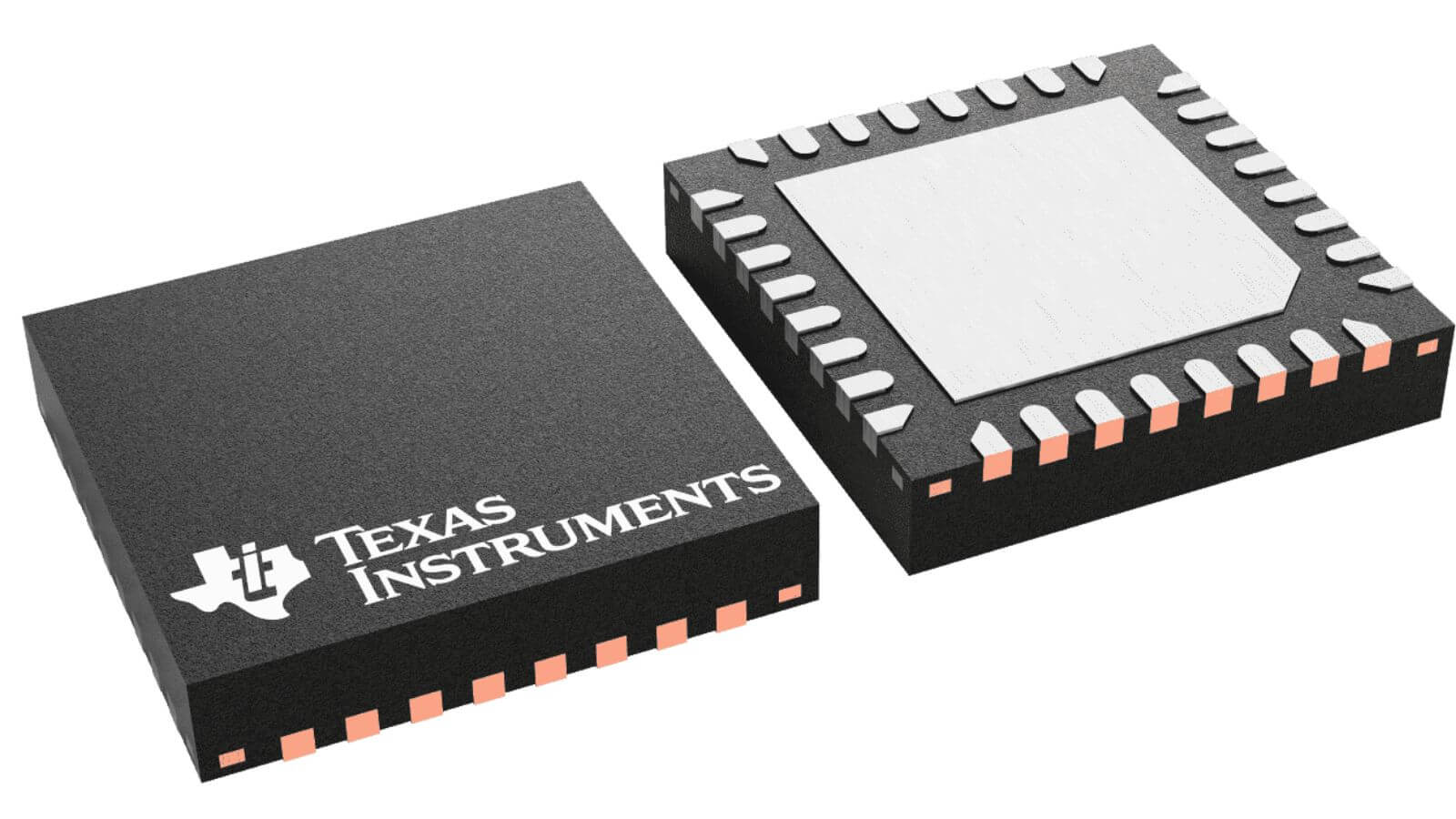
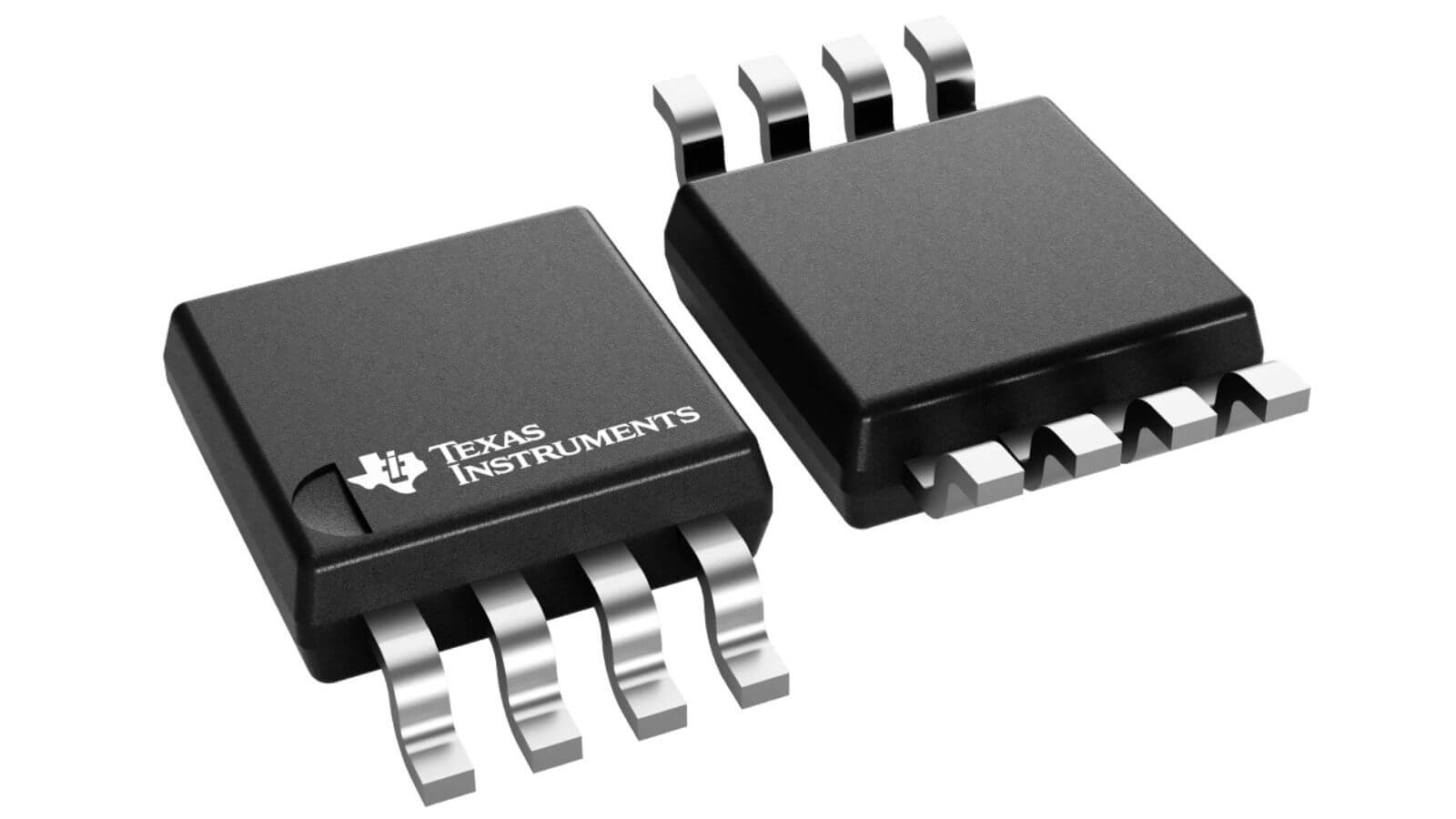
Battery Management ICs Types
Battery authentication ICs
Battery fuel gauges
Battery protectors
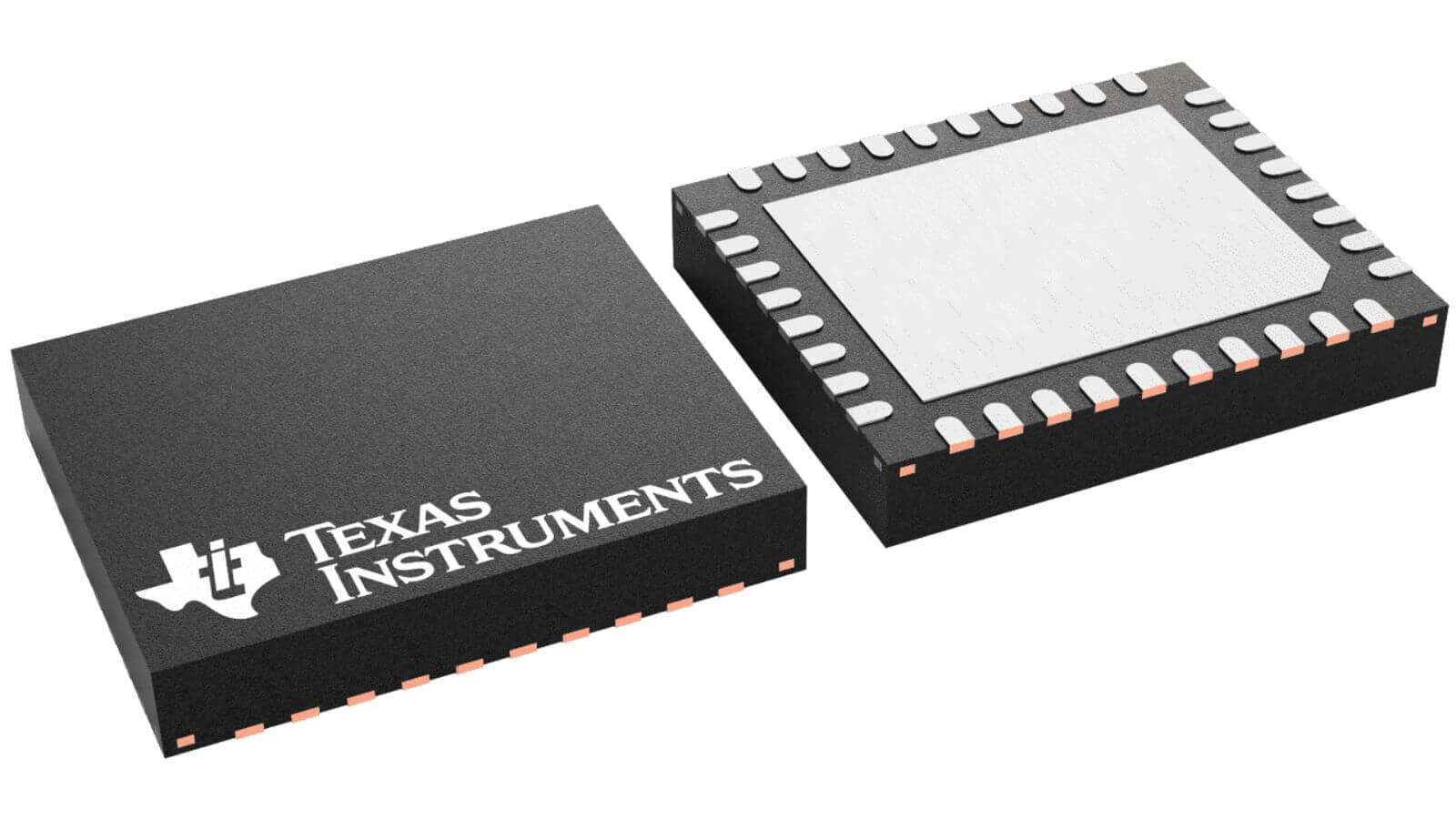
Battery charger ICs
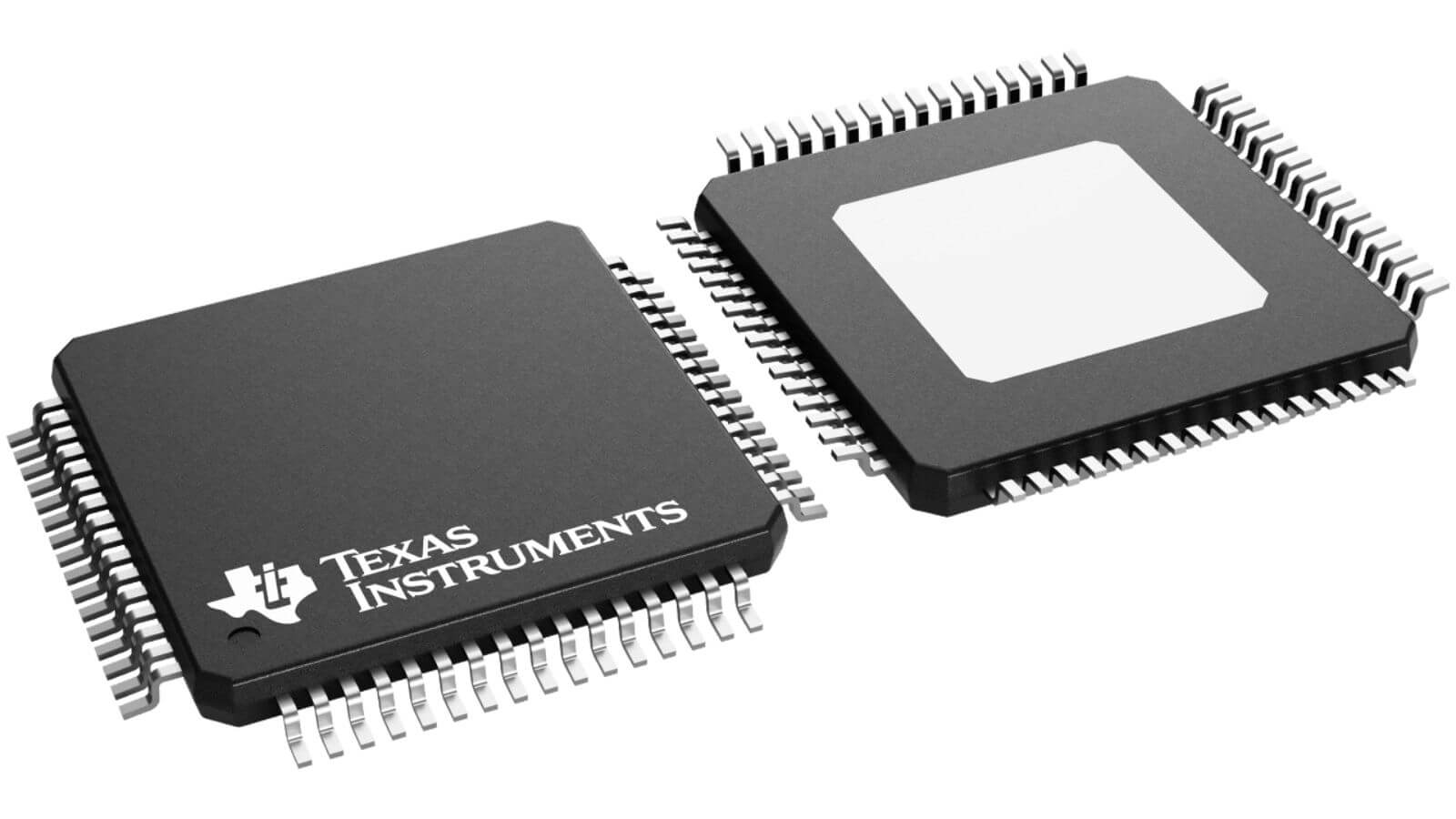
Battery monitors & balancers
Deep Technical Comparison of Battery Management IC Types
Selecting the appropriate battery management architecture is critical to ensuring safe operation, accurate state estimation, and optimal charging performance across diverse battery chemistries (Li-ion, LiFePO4, NiMH) and pack configurations (1S to 16S+). Each BMIC category addresses specific aspects of the battery lifecycle—from protecting individual cells against fault conditions to coordinating multi-cell charging and providing host systems with actionable battery intelligence.
The comparison table below details the functional capabilities, protection features, communication interfaces, and application suitability of major BMIC families. Key differentiators include voltage/current measurement accuracy, supported cell counts, balancing methods (passive vs. active), charge control sophistication, and host integration requirements. This structured reference enables engineers to match BMIC capabilities to system safety requirements, power budgets, and user experience targets during the battery system design phase.
Understanding these technical parameters is essential for developing reliable battery-powered products, from consumer wearables requiring years of shelf life to automotive traction batteries demanding functional safety certification (ISO 26262). This guide supports informed BMIC selection, system partitioning, and regulatory compliance planning.
| BMIC Type | Primary Function | Cell Count Support | Key Features | Communication Interface | Typical Accuracy | Main Applications |
|---|---|---|---|---|---|---|
| Battery Protector ICs | Overvoltage / Undervoltage / Overcurrent protection | 1S – 4S (single-chip) | Hardware cutoff via FETs, short-circuit detection (<1µs), temperature monitoring | None (standalone) or I2C | ±50mV (voltage), ±5% (current) | Power banks, cordless tools, e-bikes, single-cell devices |
| Linear Battery Charger ICs | CC-CV charging for single-cell Li-ion | 1S (3.7V / 4.2V) | Thermal regulation, precharge mode, charge termination, USB input (5V) | None or I2C (status reporting) | ±1% (charge voltage), ±10% (charge current) | Wearables, Bluetooth headsets, low-power IoT devices |
| Switching Battery Charger ICs | High-efficiency charging (buck/boost topology) | 1S – 4S | NVDC operation, input current limiting (ICL), JEITA compliance, USB-C PD support | I2C, SMBus | ±0.5% (charge voltage), ±3% (charge current) | Smartphones, tablets, laptops, fast-charging applications |
| Battery Fuel Gauge ICs (Coulomb Counter) | SoC / SoH estimation via current integration | 1S – 7S (with external AFE) | Coulomb counting with temperature/aging compensation, low-power sleep mode | I2C, HDQ (1-wire) | ±3% SoC error (with calibration) | Smartphones, medical devices, drones, portable instruments |
| Battery Fuel Gauge ICs (Impedance Track) | Advanced SoC estimation via impedance modeling | 1S – 4S | Impedance-based SoC, learns battery behavior, self-discharge compensation | I2C, SMBus | ±1% SoC error (full range) | Laptops, power tools, medical devices, high-value battery packs |
| Battery Monitor ICs (3–6 cells) | Multi-cell voltage & temperature monitoring | 3S – 6S | Per-cell voltage measurement (±5mV), integrated balancing (passive), temp sensing | SPI, I2C, daisy-chain | ±5mV (cell voltage), ±2°C (temperature) | E-bikes, scooters, vacuum cleaners, garden tools |
| Battery Monitor ICs (12–16 cells) | High-voltage multi-cell monitoring | 12S – 16S (scalable via daisy-chain) | High-voltage isolation, passive/active balancing options, fault diagnostics | SPI, isoSPI (isolated), CAN | ±2mV (cell voltage), ±1°C (temperature) | Electric vehicles, energy storage systems, industrial UPS |
| Battery Authentication ICs | Cryptographic pack authentication | N/A (communication only) | SHA-256 / ECDSA authentication, unique device ID, secure memory (OTP/EEPROM) | I2C, 1-Wire | N/A (digital authentication) | Smartphone batteries, medical device packs, counterfeit prevention |
| Wireless Battery Management (wBMS) | Wireless cell monitoring & balancing | Modular (per wireless node) | Eliminates wiring harness, RF communication (2.4GHz), scalable architecture | Wireless (proprietary RF protocol) | ±2mV (cell voltage), <10ms latency | Next-gen EVs, modular battery packs, stationary storage |
| Smart Battery System ICs | Integrated charger + fuel gauge + protector | 1S – 4S | All-in-one solution, SMBus communication, Smart Battery Data (SBD) support | SMBus, I2C | ±1% (SoC), ±0.5% (charge voltage) | Laptop battery packs, medical devices, industrial equipment |
| Active Cell Balancing ICs | Energy redistribution between cells | 4S – 16S | Bidirectional charge transfer (flyback/LLC topology), 85–95% efficiency | SPI, I2C (host-controlled) | ±10mV (balancing endpoint) | EVs, grid storage, high-performance battery packs |
| Passive Cell Balancing ICs | Bleed resistor-based cell equalization | 4S – 16S | Low-cost, simple implementation, energy dissipation via resistors | Integrated with monitor IC (SPI/I2C) | ±20mV (balancing endpoint) | E-bikes, power tools, consumer battery packs |
High-Quality Power Management ICs for Global Electronics
Since 2016, Unit Electronics Co., Ltd. has been delivering premium power management ICs, DC-DC converters, and voltage regulators with full documentation, original quality, and fast global delivery for distributors and manufacturers worldwide.
Advanced Power Management Applications in Mission-Critical Systems
Exploring the pivotal role of precision DC-DC converters, LDO regulators, and multi-rail PMICs in powering the next generation of EV battery systems, IoT devices, and industrial automation.

Automotive
Battery Management Systems (BMS)
Multi-channel PMICs monitor lithium-ion cells with precision voltage sensing (±0.05%) for EV safety. High-voltage DC-DC converters step down 400V to 12V for auxiliary systems with >95% efficiency.
ADAS Power Distribution
Automotive-grade LDO regulators provide clean power rails for radar sensors and camera modules, meeting AEC-Q100 reliability standards.

Industrial Automation
PLC and Motor Control Power
Wide input range DC-DC converters (9-36V) power PLCs in harsh industrial environments. Gate drivers enable precise MOSFET switching in motor control inverters.
Distributed Power Architecture
PoE ICs deliver 90W (802.3bt) to industrial IoT sensors and edge computing nodes, eliminating separate power cabling.

Telecommunications
5G Base Station Power
High-current DC-DC buck converters power massive MIMO arrays with dynamic voltage scaling. Efficiency >92% reduces thermal management costs in dense deployments.
Backup Power Management
Battery charging ICs manage 48V telecom backup systems with automatic failover, ensuring 99.999% uptime for critical infrastructure.

Consumer Electronics
Smartphone Power Management
Integrated PMICs deliver 6+ voltage rails for CPU, GPU, memory, and display from a single Li-ion cell. USB-C PD controllers enable 100W fast charging with programmable profiles.
Wearable Device Power
Ultra-low-power fuel gauges (1µA quiescent current) enable accurate runtime prediction in coin-cell and small Li-poly packs. Protection ICs with less than 1µs short-circuit response prevent damage during charging case insertion/removal. I2C/HDQ interfaces report battery status to host MCU.

IoT & Smart Home
Battery-Powered Sensors
Nano-power buck-boost converters enable 10+ year battery life for wireless sensors. Energy harvesting PMICs capture solar and vibration energy for self-powered nodes.
Smart Lighting Systems
LED driver ICs provide constant current regulation with dimming control via PWM or analog interfaces. AC-DC offline converters power smart bulbs with PF >0.9.

Data Centers
Server Power Delivery
Multiphase buck controllers power high-performance CPUs and GPUs with dynamic voltage and frequency scaling (DVFS). Digital power management enables real-time telemetry via PMBus.
DDR Memory Power
Precision voltage references and DDR PMICs maintain tight VDD regulation (±3%) for DDR4/DDR5 memory subsystems, critical for data integrity
Why Choose Us for ICs
We provide reliable, high-quality integrated circuits with fast delivery, global support, and trusted brand sourcing.
_1769771346_WNo_400d400.png)
RICH EXPERIENCE
Established in 2016, we have extensive experience in sourcing and supplying amplifier ICs, power management ICs, and microcontrollers for global clients.
_1769771366_WNo_400d400.png)
FAST SERVICE
With operations in Shenzhen and Hong Kong, we deliver ICs quickly and efficiently to customers across Asia-Pacific, Europe, and the Americas.
_1769771494_WNo_400d400.png)
TECHNICAL EXPERTISE
Our team understands electronics design requirements and provides professional guidance to help customers select the right ICs for their projects.
_1769771509_WNo_400d400.png)
COMPETITIVE PRICING
We offer high-quality, original ICs at competitive prices, ensuring cost-effective solutions without compromising reliability.
_1769771521_WNo_400d400.png)
GUARANTEED QUALITY
All ICs are 100% original with complete documentation, ensuring consistent performance and traceability for your projects.
_1769771533_WNo_400d400.png)
GLOBAL REACH
Serving both domestic and international clients, we support manufacturers, distributors, and trading companies worldwide with reliable IC supply.
Frequently Asked Questions
Find answers to common questions about our Power Management IC products and services.
What types of Power Management ICs do you supply?
We supply a comprehensive range of PMICs including DC-DC converters (buck, boost, buck-boost), linear and LDO regulators, battery management ICs, LED drivers, gate drivers, USB power delivery controllers, and multi-channel PMICs from trusted brands like TI, Microchip, and MPS.
How do I choose between a switching regulator and an LDO?
Use switching regulators (DC-DC converters) for high efficiency (85-95%) when the input-output voltage difference is large or current is high. Choose LDOs for low-noise applications like analog circuits and RF systems, where simplicity and ultra-low noise are more important than efficiency. Our technical team can help you evaluate trade-offs.
Do your PMICs support automotive and industrial temperature ranges?
Yes, we stock automotive-grade PMICs (AEC-Q100 qualified) with -40°C to +125°C or +150°C operating ranges, and industrial-grade parts rated for -40°C to +85°C. All parts include full documentation with temperature derating curves.
Can you provide reference designs and layout guidelines?
Yes, we provide datasheets, application notes, reference schematics, and PCB layout guidelines for all PMICs. For complex designs involving multi-rail sequencing or high-power conversion, our engineering team offers design review support.
What is the typical lead time for bulk PMIC orders?
For in-stock PMICs, we ship within 2-3 business days. For large-volume orders (10K+ units) or custom date code requirements, lead time is typically 3-6 weeks depending on factory allocation. Contact us for real-time availability.
Do you offer programming services for PMICs with NVM?
For PMICs with non-volatile memory (NVM) or programmable outputs, we can provide factory-programmed parts with your custom configuration. Share your voltage, sequencing, and control requirements, and we'll coordinate programming before shipment.
How do I verify the authenticity of received PMICs?
All shipments include factory COC (Certificate of Conformity), packing lists, and moisture barrier bags with intact humidity indicator cards. Verify that the date code on the reel label matches the COC, check for laser-etched markings (not inkjet), and scan the 2D barcode on OEM reels for traceability.
Ready to Power Your Next Project?
Contact our power management engineering team today to receive a detailed quotation tailored to your voltage, current, and efficiency requirements. Fast response within 24 hours.