
China's Leading Sensor Manufacturer
Reliable Sensor Solution Provider
Website Sensor Product Category Content


What Are Sensor Integrated Circuits?
Sensor Integrated Circuits are specialized semiconductor devices that detect, measure, and convert physical phenomena—such as temperature, pressure, light, motion, magnetic fields, and environmental conditions—into electrical signals for digital processing and system control. These intelligent sensing solutions combine transduction elements (photodiodes, thermistors, MEMS structures, Hall elements) with signal conditioning circuitry (amplifiers, ADCs, filters) on a single chip, enabling accurate, real-time environmental awareness for autonomous systems.
Core Functions
- Environmental Sensing: Capturing ambient conditions including temperature, humidity, air quality (CO2, VOCs), atmospheric pressure, and light intensity for HVAC control, weather stations, and smart building automation.
- Motion & Position Detection: Measuring acceleration, angular velocity, tilt, proximity, and magnetic orientation using MEMS accelerometers, gyroscopes, magnetometers, and Hall-effect sensors for robotics, wearables, and navigation systems.
- Optical Sensing: Detecting light intensity, color spectrum, distance (ToF), and gestures through photodiodes, ambient light sensors, proximity sensors, and infrared arrays for display auto-brightness, touchless interfaces, and object detection.
- Pressure & Force Measurement: Monitoring absolute, differential, or gauge pressure in pneumatic/hydraulic systems, altitude sensing (barometric), and touch/force detection for industrial process control and medical devices.
Technical Principles
Modern sensor ICs integrate the entire signal chain: the transducer converts physical input into a raw electrical signal (voltage, current, resistance change), an analog front-end (AFE) amplifies and filters this signal, an ADC digitizes it with 12–24 bit resolution, and a microcontroller or DSP executes calibration algorithms, temperature compensation, and digital filtering before outputting data via standard interfaces (I2C, SPI, UART, analog voltage).
MEMS (Micro-Electro-Mechanical Systems) technology enables highly miniaturized sensors with microscopic mechanical structures etched in silicon—accelerometers use proof masses suspended by springs; gyroscopes employ vibrating structures (Coriolis effect); pressure sensors use deflecting diaphragms. These MEMS elements are monolithically integrated with CMOS readout circuitry, achieving extremely low power consumption (µA range) and high sensitivity in compact packages (2x2mm or smaller).
Advanced sensor ICs feature intelligent capabilities: adaptive gain control, multi-axis fusion algorithms (sensor fusion combines accelerometer + gyroscope + magnetometer for 9-axis IMU), interrupt-driven wake-up for always-on applications, on-chip threshold detection, and embedded self-test routines. Communication protocols like I3C and MIPI I3C enable high-speed, low-latency sensor data streaming critical for automotive ADAS, AR/VR headsets, and real-time industrial feedback loops.
Sensor Integrated Circuits
Our Sensor Integrated Circuits enable intelligent decision-making for systems across industries, capturing critical environmental and operational data with exceptional accuracy and rapid response times. Our diverse product portfolio includes optical, temperature, pressure, motion, and environmental sensors, covering all key use cases from precision monitoring to real-time feedback. Engineered with advanced signal processing and high-sensitivity detection technologies, these sensors ensure reliable data acquisition while supporting seamless integration into end equipment. User-friendly design and broad compatibility reduce development cycles, while robust performance in harsh conditions guarantees long-term stability. Whether for autonomous vehicles, smart homes, industrial automation, or consumer electronics, our sensors deliver tailored, practical solutions to empower your products' autonomy and real-time control.
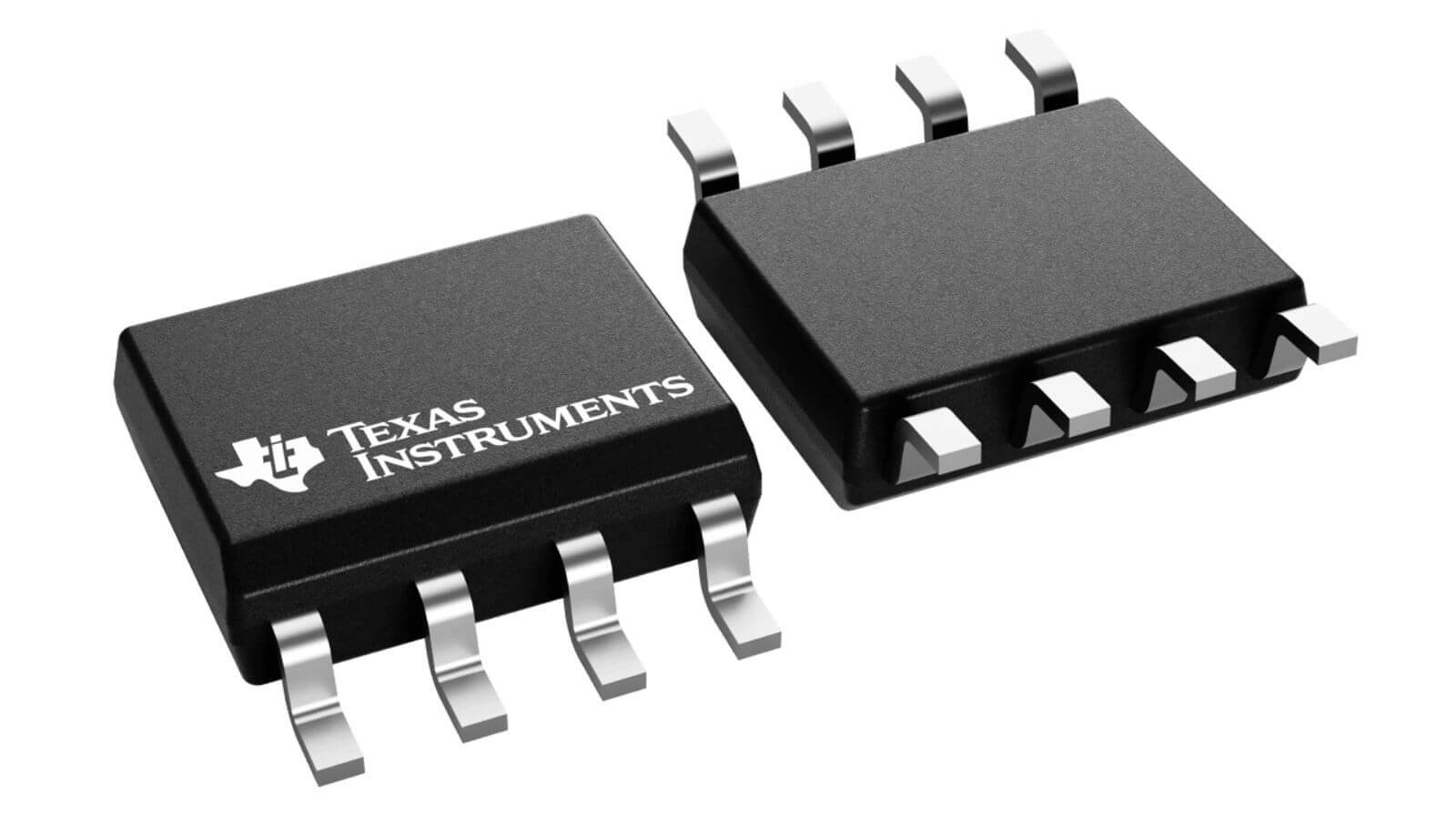
Sensor ICs Types
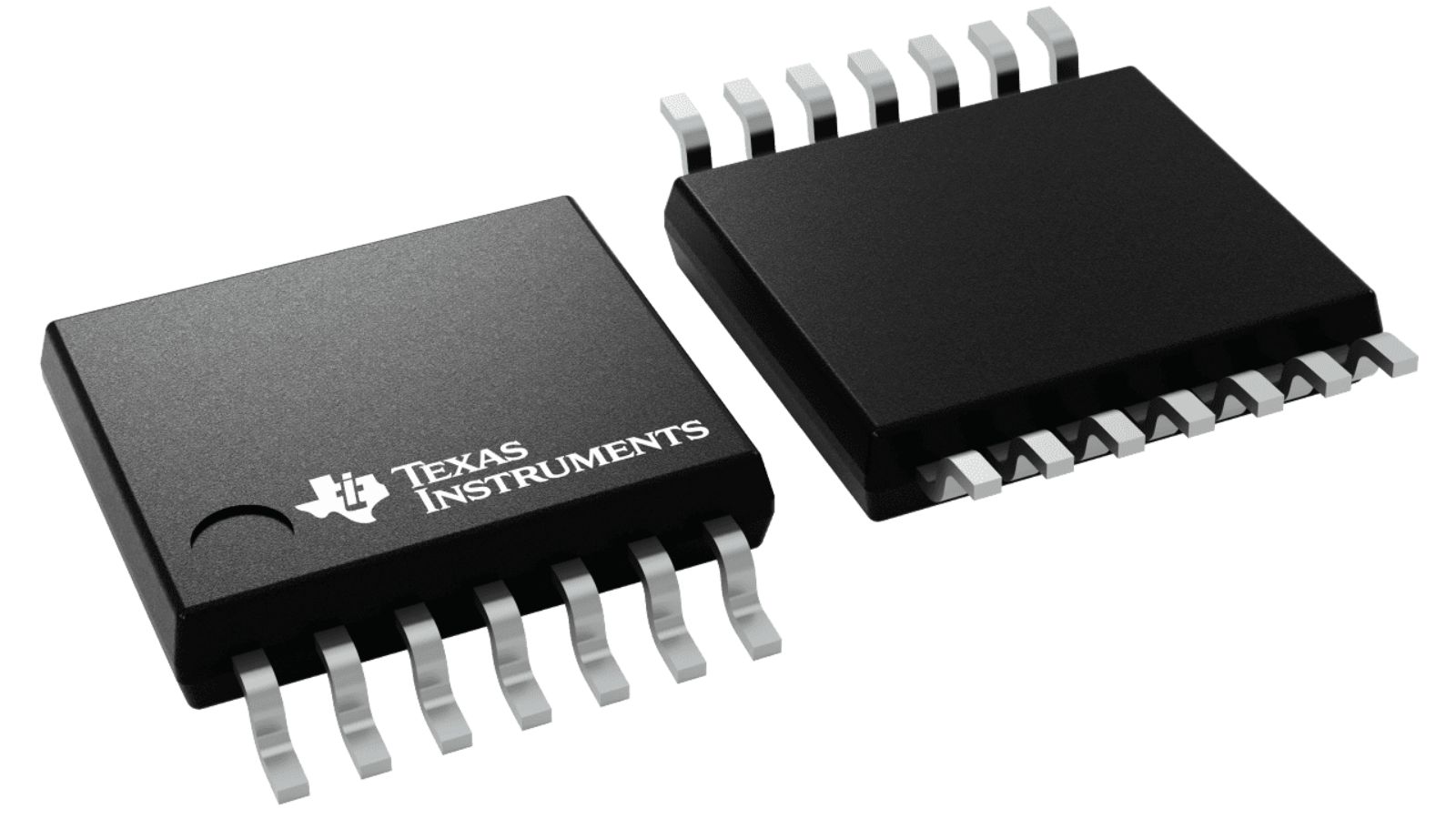
Humidity sensors
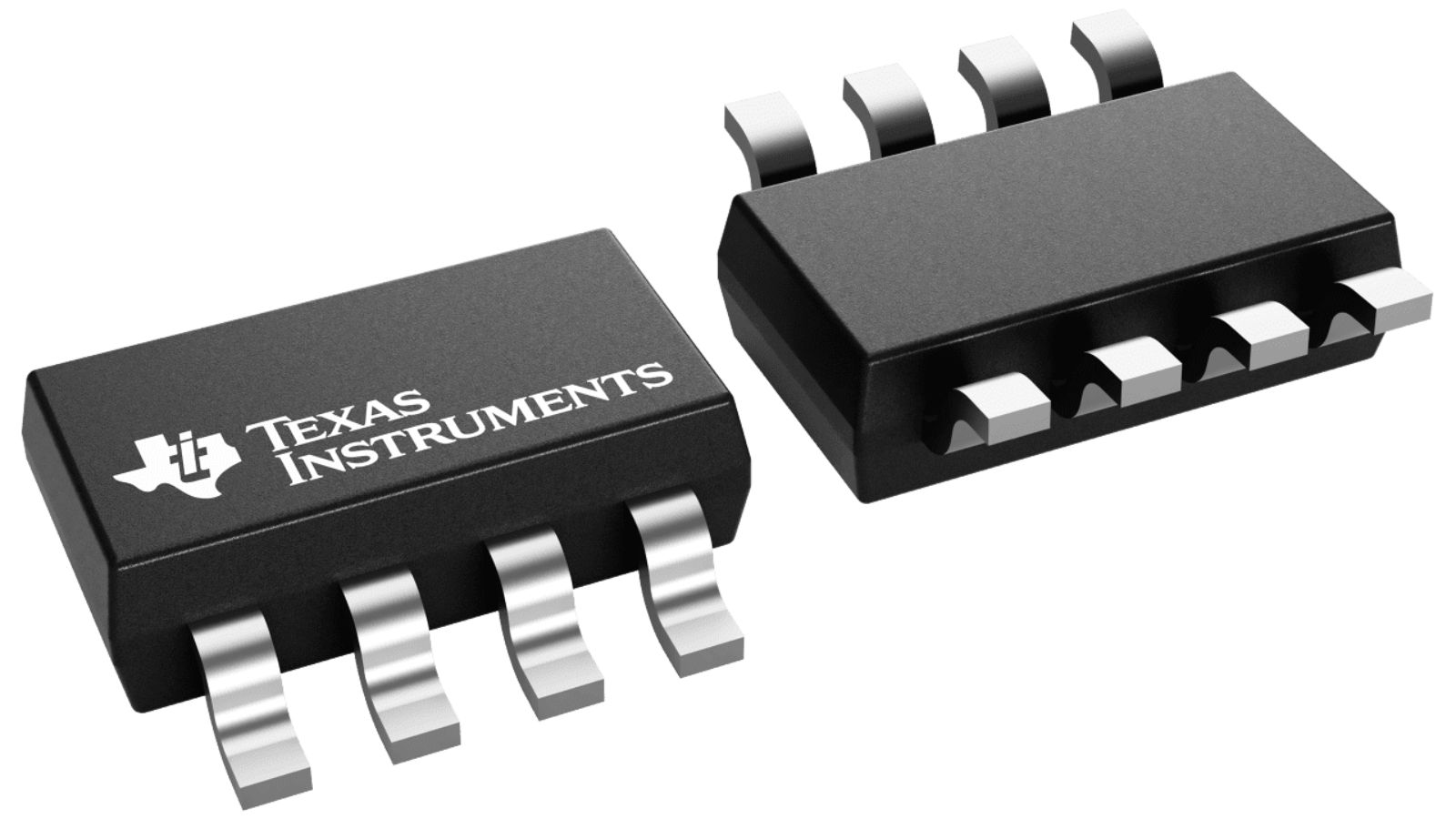
Optical sensors
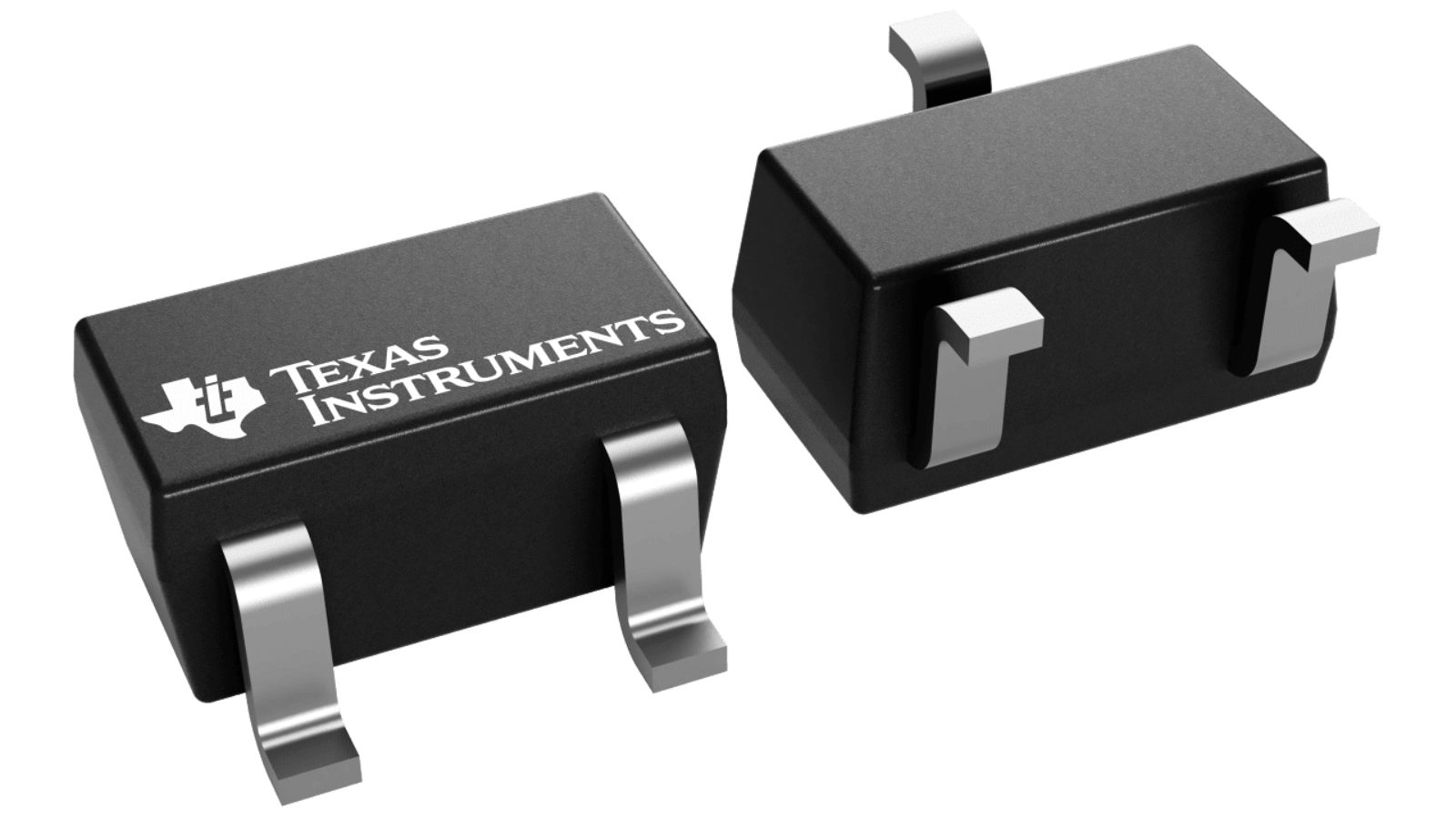
Magnetic sensors
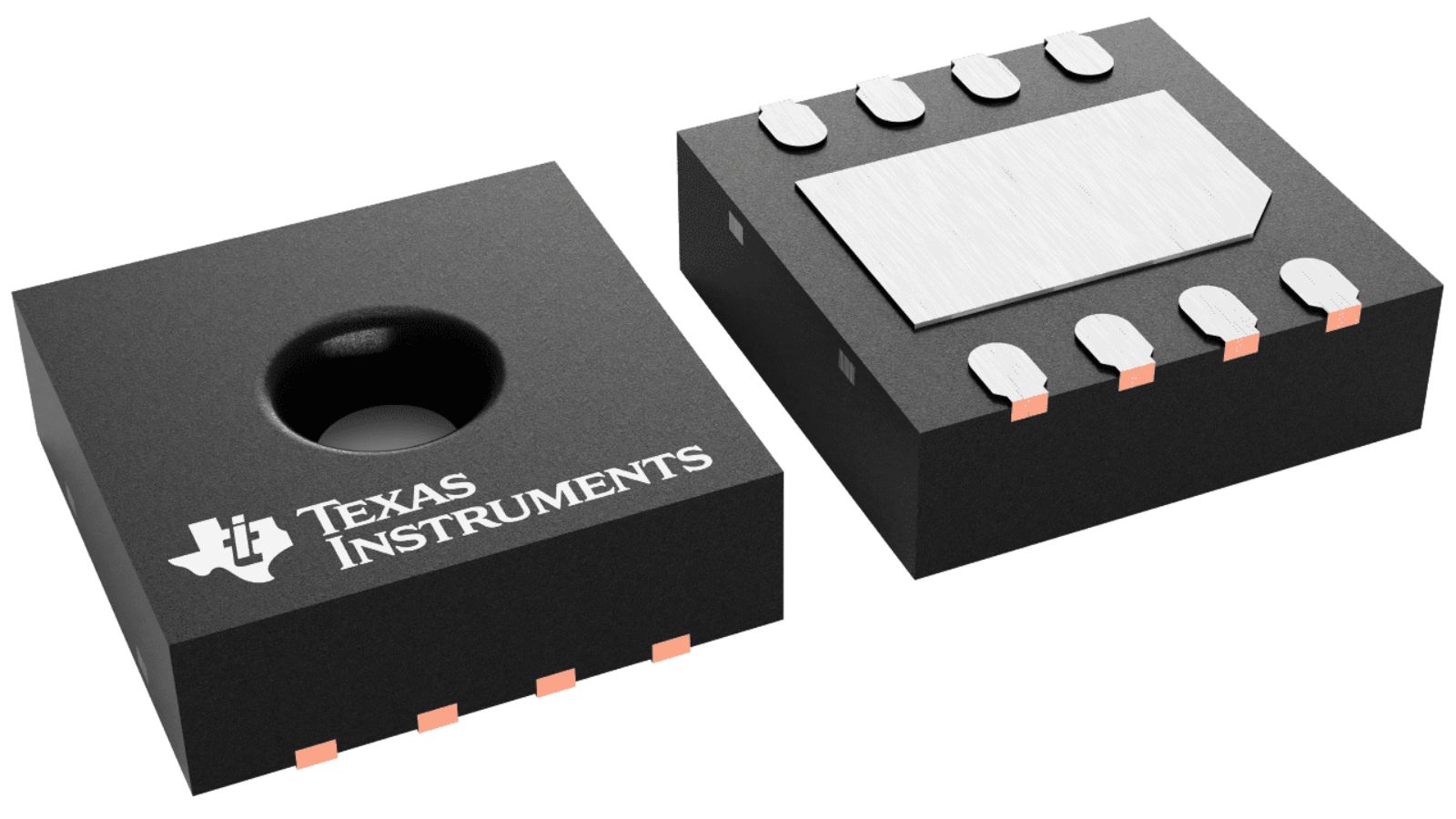
Specialty sensors
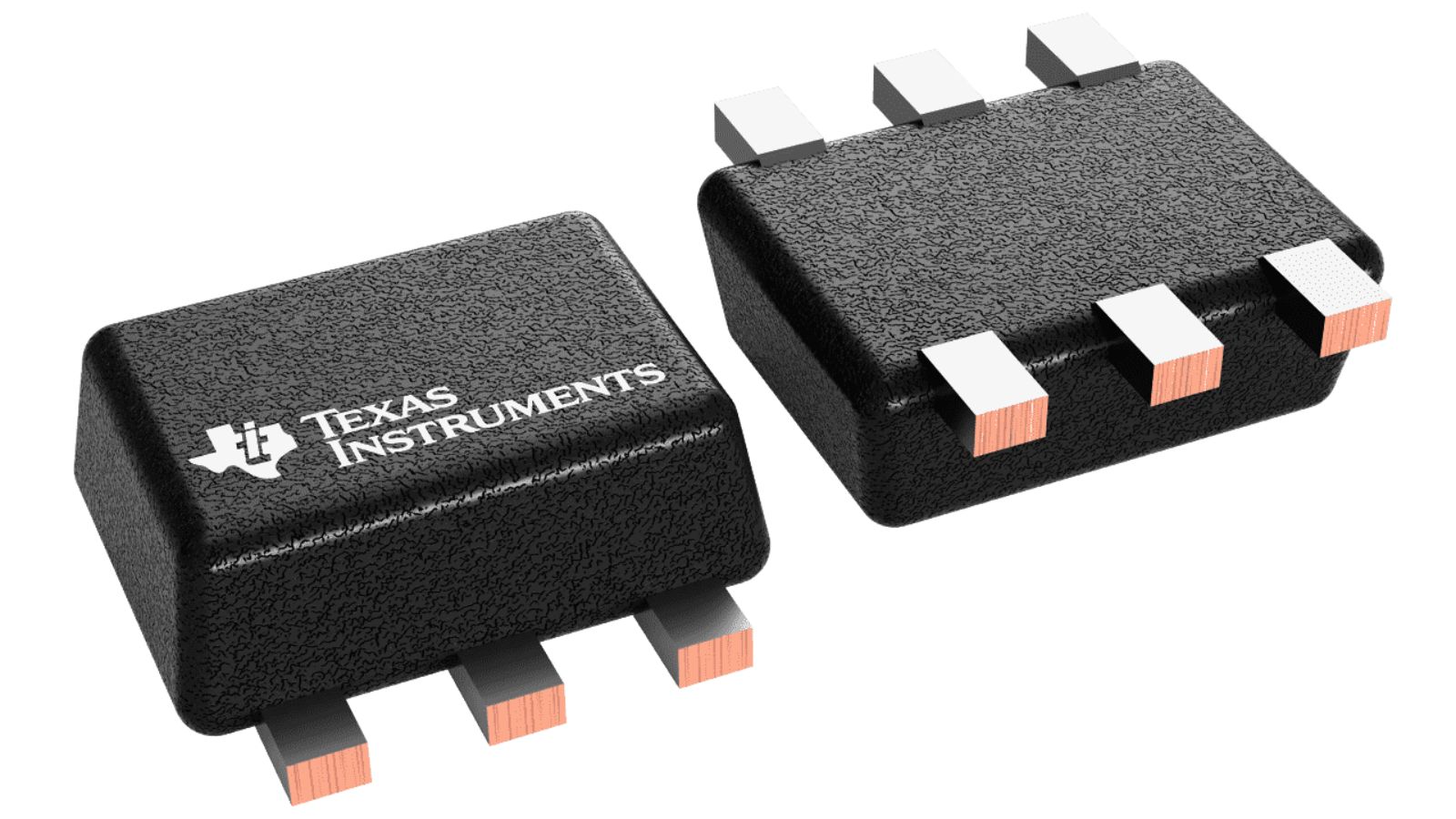
mmWave radar sensors
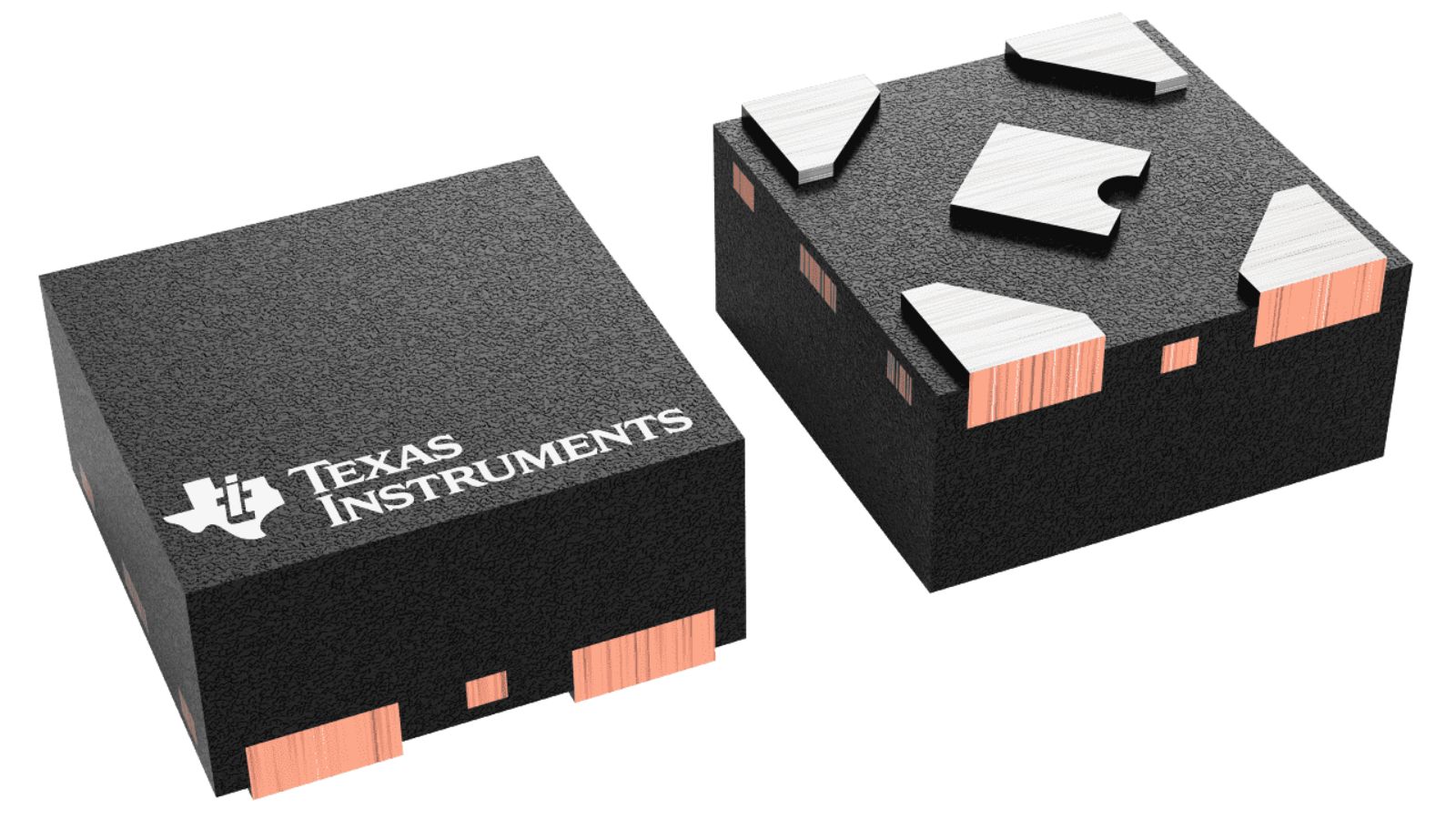
Temperature sensors
Deep Technical Comparison of Sensor IC Types
Selecting the appropriate sensor technology requires careful evaluation of measurement range, accuracy, response time, power consumption, interface compatibility, and environmental operating conditions. Each sensor category employs distinct physical transduction principles and signal processing architectures optimized for specific sensing modalities—from nanometer-scale light detection to millimeter-wave radar object tracking.
The comparison table below details the technical specifications and performance characteristics of major sensor IC families, including their sensing principles, typical measurement ranges, accuracy levels, power profiles, output interfaces, and primary application domains. This structured reference enables engineers to match sensor capabilities to system requirements during the component selection and sensor fusion architecture design phases.
Understanding these parameters is essential for developing robust sensing systems in applications ranging from battery-powered IoT nodes requiring years of operational life to high-speed automotive safety systems demanding sub-millisecond latency and fail-operational reliability. This guide supports informed sensor selection and integration planning.
| Sensor Type | Sensing Principle | Measurement Range | Accuracy / Resolution | Power Consumption | Output Interface | Main Applications |
|---|---|---|---|---|---|---|
| Temperature Sensors (Digital) | Bandgap reference / Thermistor | -40°C to +125°C | ±0.1°C to ±2°C, 0.0625°C resolution | Very Low (1μA – 200μA) | I2C, SPI, 1-Wire, Analog | HVAC, battery management, CPU thermal monitoring |
| Humidity Sensors | Capacitive / Resistive polymer | 0% – 100% RH | ±2% RH to ±5% RH | Low (10μA – 500μA) | I2C, SPI, Analog voltage | Weather stations, HVAC, smart agriculture, food storage |
| Pressure Sensors (Barometric) | Piezoresistive MEMS diaphragm | 300hPa – 1100hPa | ±0.5hPa to ±1hPa, 0.01hPa resolution | Low (3μA – 10μA) | I2C, SPI | Altitude sensing, weather monitoring, drones |
| Pressure Sensors (Differential) | Capacitive / Piezoresistive MEMS | ±1kPa to ±1000kPa | ±0.25% FS to ±1% FS | Medium (1mA – 10mA) | I2C, SPI, Analog 0-5V | HVAC airflow, medical ventilators, industrial process control |
| Accelerometers (MEMS) | Capacitive proof mass displacement | ±2g to ±16g | 0.1mg to 1mg resolution, ±3% FS | Low (10μA – 200μA) | I2C, SPI, Analog | Smartphones, wearables, vibration monitoring, tilt sensing |
| Gyroscopes (MEMS) | Coriolis effect vibrating mass | ±250°/s to ±2000°/s | 0.01°/s resolution, ±3% FS | Medium (5mA – 10mA) | I2C, SPI | Drones, camera stabilization, robotics, AR/VR headsets |
| Magnetometers (3-axis) | Hall effect / AMR / TMR | ±1 to ±8 Gauss | 0.15mG resolution, ±1° heading accuracy | Low (100μA – 500μA) | I2C, SPI | Compass, navigation, position sensing, current sensing |
| Hall Effect Sensors (Linear) | Hall voltage proportional to B-field | ±50G to ±500G | 1G to 10G resolution | Low (3mA – 10mA) | Analog voltage, PWM | Motor commutation, position sensing, current measurement |
| Ambient Light Sensors | Photodiode with spectral filter | 0.01 lux to 100,000 lux | ±15% to ±20% | Very Low (0.5μA – 5μA) | I2C, Analog voltage | Display auto-brightness, smart lighting, wearables |
| Proximity Sensors (IR) | IR emitter + photodiode reflection | 1cm to 30cm | ±10% distance accuracy | Low (100μA – 1mA) | I2C, Digital interrupt | Touchless UI, hand gesture, object detection |
| Time-of-Flight (ToF) Sensors | Laser/IR pulse time measurement | 5cm to 4m (short-range) | ±1cm to ±5cm | Medium (20mA – 50mA) | I2C, SPI | Robotics obstacle avoidance, AR/VR, autofocus cameras |
| Color Sensors | RGB + Clear photodiodes | RGB channels + IR blocking | ±10% color accuracy | Low (50μA – 200μA) | I2C | Display calibration, color matching, smart lighting |
| Gas Sensors (MOX / Electrochemical) | Metal oxide resistance change | 1ppm – 1000ppm (CO2, VOC, CO) | ±10ppm to ±50ppm | High (50mA – 150mA, heater) | I2C, Analog voltage | Air quality monitoring, HVAC, industrial safety |
| mmWave Radar Sensors | FMCW radar 60GHz / 77GHz | 0.1m to 100m+ range | ±5cm range, ±0.1m/s velocity | High (500mA – 1A) | SPI, Ethernet, CAN | Automotive ADAS, occupancy detection, smart home presence |
| Ultrasonic Sensors | Acoustic echo time measurement | 2cm to 4m | ±1cm to ±3cm | Medium (10mA – 30mA) | PWM, Analog, UART | Parking assist, level sensing, robotics obstacle detection |
| Force/Load Sensors (Strain Gauge) | Wheatstone bridge resistance change | 1N to 500kN (configurable) | ±0.05% FS to ±0.5% FS | Medium (5mA – 20mA) | Analog bridge, I2C (with AFE) | Industrial weighing, force feedback, medical devices |
High-Precision Sensor ICs for Smart Systems Worldwide
Since 2016, Unit Electronics Co., Ltd. has been delivering premium sensor integrated circuits—temperature, humidity, pressure, motion, optical, and specialty sensors—with full documentation, original quality, and fast global delivery for distributors and manufacturers worldwide.
Advanced Sensor Applications in Mission-Critical Systems
Exploring the pivotal role of MEMS sensors, optical detectors, and environmental monitoring ICs in powering the next generation of autonomous vehicles, smart cities, and precision healthcare.

Automotive
ADAS Sensor Fusion
mmWave radar (77GHz) detects objects up to 200m with ±5cm range accuracy for adaptive cruise control. ToF LiDAR provides 3D point clouds for lane-keeping and collision avoidance. 9-axis IMUs
Cabin Environmental Control
CO2 sensors (NDIR) monitor air quality for automatic ventilation. Humidity and temperature sensors enable precision climate control. Occupancy detection via IR arrays and mmWave radar optimizes airbag deployment zones.

Industrial Automation
Condition Monitoring
MEMS accelerometers with 0.1mg resolution detect early-stage bearing faults through vibration signature analysis. Temperature sensors (±0.1°C accuracy) monitor motor windings and prevent thermal runaway. Pressure transducers track hydraulic system health in real-time.
Environmental Compliance
Gas sensors (electrochemical, MOX) detect VOCs, CO, and hazardous emissions for worker safety and regulatory compliance. Particulate matter sensors (PM2.5, PM10) monitor air quality in manufacturing facilities.

Smart Buildings
Occupancy & Energy Management
PIR motion sensors and mmWave presence detection trigger lighting and HVAC zones dynamically, reducing energy waste by 30–40%. Ambient light sensors adjust LED brightness based on natural daylight, achieving optimal lux levels while minimizing power draw.
Indoor Air Quality (IAQ)
CO2 sensors maintain ventilation rates per ASHRAE standards. VOC sensors detect formaldehyde and other pollutants. Temperature and humidity sensors optimize comfort while preventing mold growth in HVAC ducts.

Medical Devices
Vital Sign Monitoring
Optical biosensors (PPG) measure heart rate and SpO2 (blood oxygen) through photoplethysmography. Temperature sensors with ±0.1°C accuracy track fever onset. MEMS pressure sensors monitor blood pressure in ambulatory devices.
Point-of-Care Diagnostics
Electrochemical biosensors detect glucose, lactate, and biomarkers in capillary blood samples. Optical sensors (fluorescence, absorbance) enable rapid immunoassay tests. All sensors meet IEC 60601 medical safety standards.

Agriculture & Environment
Precision Agriculture
Soil moisture sensors (capacitive, TDR) optimize irrigation schedules, reducing water usage by 30%. Environmental sensors (temperature, humidity, light) enable climate control in greenhouses. NDVI optical sensors assess crop health via multispectral imaging.
Weather Monitoring
Barometric pressure sensors track atmospheric trends for storm prediction. Rain gauges (tipping bucket with Hall sensors) measure precipitation. Anemometers (ultrasonic, mechanical with Hall effect) monitor wind speed and direction.

Consumer Electronics
Smartphones & Wearables
Proximity sensors disable touchscreens during calls. Ambient light sensors auto-adjust display brightness for battery savings. 6-axis IMUs (accelerometer + gyroscope) enable screen rotation, step counting, and gesture recognition with less than 2% error rate.
AR/VR Headsets
9-axis sensor fusion (IMU + magnetometer) tracks head orientation with less than 1° latency for immersive experiences. ToF sensors map room geometry for inside-out tracking. Eye-tracking uses IR proximity sensors for foveated rendering.
Ready to Add Intelligence to Your System?
Contact our sensor engineering team today to receive detailed quotations tailored to your sensing requirements. Fast response within 24 hours with technical recommendations for optimal sensor selection.